How Stress Affects Hair Growth (and How to Fix It Naturally)
If there’s one conversation I’ve had more times than I can count in my chair, it’s this:
“I feel like my hair has been shedding more lately… could it be stress?”
And the answer is almost always — yes.
I’ve seen firsthand how closely stress and hair health are connected. The truth is, your hair doesn’t exist in isolation. What’s happening in your body — physically and emotionally — shows up in your scalp and your strands.
Let’s break down what’s really going on, and more importantly, how you can support your hair naturally.
The Connection Between Stress and Hair Growth
Hair grows in cycles: growth, rest, and shedding. Under normal conditions, this cycle runs smoothly and consistently.
But when your body is under stress, things can shift.
Stress triggers the release of hormones like cortisol, which can disrupt the natural hair growth cycle. In many cases, more hair than usual gets pushed into the shedding phase at the same time. This condition is often temporary, but it can feel alarming when you start noticing more hair in your brush or shower.
I always tell my clients — your body is prioritizing survival over hair growth during stressful periods. Hair simply becomes less essential.
Signs Your Hair Is Being Affected by Stress
Not all hair loss is caused by stress, but there are some common patterns I look for:
Increased shedding, especially during washing or brushing
Hair feeling thinner overall
Slower growth than usual
A scalp that feels more sensitive or tight
One important thing to know is that stress-related hair changes don’t always happen immediately. There’s often a delay of a few weeks to a few months after a stressful event.
Why Your Scalp Feels It Too
Stress doesn’t just affect the hair — it affects the scalp environment as well.
When stress levels rise, I often see:
Increased dryness or oiliness
Tightness due to reduced circulation
Inflammation or sensitivity
A stressed scalp is not an ideal environment for healthy hair growth. This is why focusing on scalp care is so important during stressful periods.
How to Support Hair Growth Naturally
The good news is that stress-related hair issues are often reversible. Once the body returns to balance, the hair cycle can normalize again.
Here are some natural, effective ways I recommend supporting your hair and scalp:
1. Prioritize Scalp Care
Healthy hair starts with a healthy scalp — especially during times of stress.
Incorporating a gentle, nourishing scalp routine can help rebalance the environment where your hair grows. Look for treatments that hydrate, soothe, and support circulation.
Even something as simple as consistent care can make a noticeable difference over time.
2. Add Scalp Massage to Your Routine
This is one of my favorite recommendations because it’s simple and effective.
A few minutes of daily scalp massage can:
Improve blood flow to the follicles
Help relieve tension in the scalp
Support nutrient delivery to the roots
It’s also incredibly relaxing — which helps address the root cause: stress.
3. Use Natural, Nutrient-Rich Products
When the body is under stress, your hair benefits from extra support.
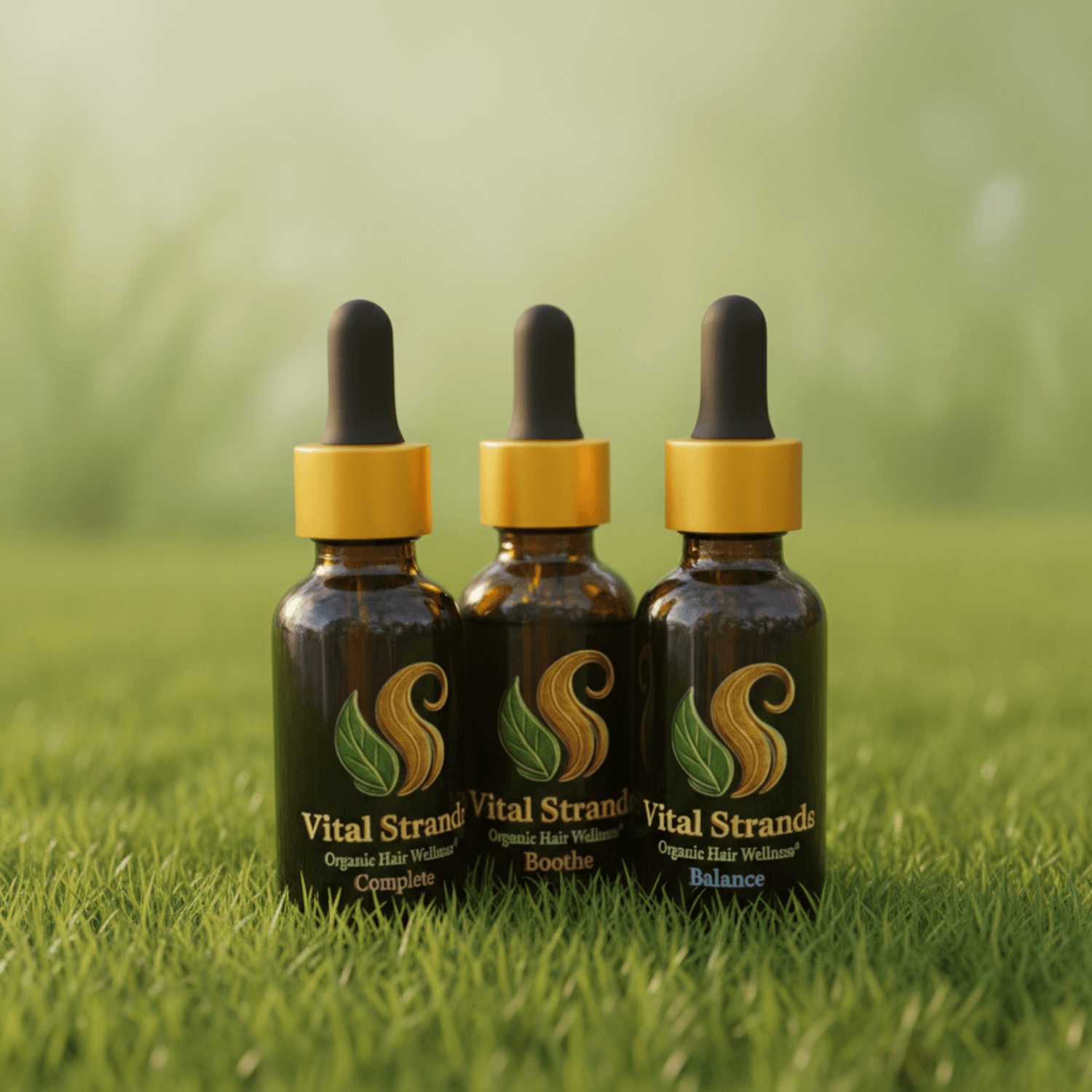
Botanical oils and plant-based ingredients can help nourish the scalp without overwhelming it. A well-formulated scalp serum (like Soothe) can deliver targeted hydration and nutrients directly where they’re needed most.
Consistency is key here — think of it as daily care, not a quick fix.
4. Support Your Body from Within
Hair health reflects overall wellness.
You should focus on:
Eating balanced, nutrient-rich meals
Staying hydrated
Getting enough sleep
Even small improvements in these areas can support the hair growth cycle.
5. Create a Stress-Reducing Routine
This doesn’t have to be complicated.
Simple habits like:
Taking short walks
Practicing deep breathing
Limiting overstimulation (like constant screen time)
can help regulate stress levels over time.
I often remind clients that caring for your hair can become part of your self-care routine — not just another task.
Patience Is Part of the Process
One of the most important things I share with clients is this: hair recovery takes time.
Because of the hair growth cycle, it may take a few months to see noticeable improvement. But that doesn’t mean your efforts aren’t working.
When you reduce stress and support your scalp consistently, you’re creating the right conditions for healthy hair to return.
The Takeaway
Stress can absolutely affect your hair — but it doesn’t have to define your hair journey.
By focusing on scalp health, nourishing your body, and creating simple, calming routines, you can support your hair naturally and effectively.
From my perspective behind the chair, the clients who see the best results aren’t the ones chasing quick fixes — they’re the ones who take a step back, care for their overall well-being, and stay consistent.
Because in the end, healthy hair isn’t just about what you put on it… it’s about how you care for yourself as a whole.

Michelle Borland
Michelle is extremely passionate about hair and has been working in hair salons since she was 11 years old. She was born in Jamaica and later moved to the U.S. to become a Certified Hair Loss Practitioner and is now an Associate Trichologist. In addition to owning pHundamental Salon in St. Louis, MO, she also developed her own unique and proprietary blend of organic hair serums available online at VitalStrandz.com. Michelle actively serves as a mentor and educator to individuals interested in the hair industry and frequently teaches at cosmetology schools, forums, and salon trainings.
Stay informed with valuable health and wellness tips delivered straight to your inbox.
No spam ever; unsubscribe anytime.